Schnitzel
Abendessen • Deutschland
Über Schnitzel
Breaded and fried veal or pork cutlet — the king of German cuisine
How to Make Schnitzel (Traditional & Healthy Version)
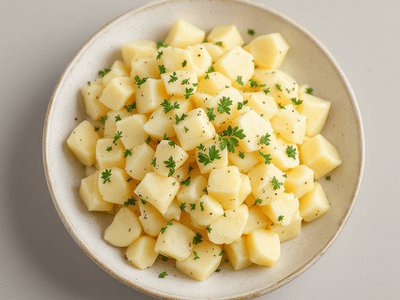
Schnitzel is a beloved classic in Germany, celebrated for its crispy coating and tender meat. Originating from the German-speaking regions, this traditional dish is often enjoyed at family gatherings, local restaurants, and festive events. Its preparation involves tenderizing lean cuts of meat, coating them in breadcrumbs, and pan-frying until golden brown. The result is a dish that is both satisfying and full of flavor, offering a delightful crunch with each bite. Known for its versatility, Schnitzel can be served with a variety of sides such as potato salad, steamed vegetables, or a fresh green salad. Its mild seasoning makes it appealing to all age groups, while the use of high-quality ingredients ensures a wholesome meal. Choosing a healthier cooking method and incorporating whole-grain breadcrumbs allows you to enjoy this German favorite without compromising on nutrition. Schnitzel embodies the comfort and hospitality of Germany’s culinary heritage, making it a must-try for food enthusiasts seeking an authentic international dinner experience.
Zutaten(für 1 medium schnitzel (approx. 120g cooked meat with coating))
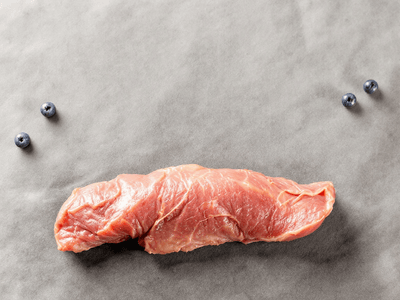
- 2 pieces (about 120g each) Boneless pork loin or chicken breast (Schnitzelfleisch)
- 1/2 cup Whole-wheat breadcrumbs (Vollkorn-Semmelbrösel)
- 1 large Egg
- 2 tablespoons All-purpose flour (Mehl)
- 1/2 teaspoon Salt
- 1/4 teaspoon Black pepper
- 1/4 teaspoon Paprika (edelsüß) - optional
- 1/2, sliced Lemon (for garnish)
- 2 tablespoons Olive oil (for pan-frying)
- 1 tablespoon, chopped Fresh parsley (for garnish) - optional
Anleitung
- 1
Place each piece of meat between two sheets of plastic wrap and gently pound to an even thickness, about 1/4 inch.
5 minutes
Uniform thickness ensures even cooking and a tender schnitzel.
- 2
Season both sides of the meat with salt, pepper, and optional paprika.
2 minutes
Seasoning before breading enhances flavor.
- 3
Set up a breading station with three shallow plates: one with flour, one with the beaten egg, and one with whole-wheat breadcrumbs.
2 minutes
Prepare all stations in advance for efficient breading.
- 4
Dredge each piece of meat first in flour, then dip in egg, and finally coat evenly with breadcrumbs, pressing gently to adhere.
5 minutes
Do not overload with breadcrumbs for a lighter crust.
Warum dieses Gericht gesund ist
Opting for lean cuts of pork or chicken and whole-grain breadcrumbs makes this schnitzel lower in saturated fat and refined carbs than traditional versions. Pan-frying with minimal olive oil instead of deep-frying further reduces calories and unhealthy fats while maintaining authentic flavor and texture. It’s a balanced dinner option that fits well into a calorie-conscious meal plan.
This healthy schnitzel recipe uses lean meat and whole-wheat breadcrumbs for added fiber and nutrients. Olive oil provides healthy unsaturated fats, while the dish is a good source of protein, B vitamins, and minerals such as iron and zinc. Using less oil and a nonstick pan helps reduce overall fat content. The inclusion of lemon and parsley offers a dose of vitamin C and antioxidants, making this a nutritious meal.
Profi-Tipps
- 💡Tip 1: For extra crispiness, let breaded schnitzels rest for 5 minutes before frying.
- 💡Tip 2: Use thin cuts of meat for the most tender result.
- 💡Tip 3: Always serve schnitzel immediately for maximum crunch.
Aufbewahrung und Servieren
Store leftover schnitzels in an airtight container in the refrigerator for up to 2 days. Reheat in a skillet or oven to retain crispiness. Avoid microwaving to prevent sogginess.
Am besten geeignet für: Lunch or Dinner
Nährwerte
| Nährstoff | Pro 100g |
|---|---|
| Energie | 230.0 kcal |
| Protein | 22.0 g |
| Kohlenhydrate | 12.0 g |
| Gesamtfett | 11.0 g |
| Ballaststoffe | 1.0 g |