Knödel
Abendessen • Deutschland
Über Knödel
Bavarian bread dumplings — the perfect side for roast and gravy
How to Make Knödel (Traditional & Healthy Version)
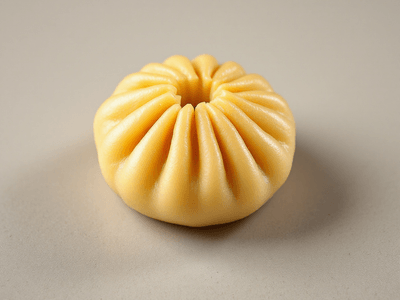
Knödel, the beloved German dumpling, is a staple of traditional German cuisine and a comforting dish enjoyed across the country, from rustic villages to vibrant cities. These hearty dumplings are most commonly crafted from bread or potato and are an essential part of Germany’s culinary heritage. Knödel are cherished for their soft, pillowy texture and their ability to soak up the rich flavors of accompanying sauces or broths. While they are often served as a side dish with hearty stews or roasted vegetables, Knödel can also be enjoyed as a satisfying main course for vegetarians. With roots tracing back to medieval times, Knödel remains a symbol of comfort and togetherness in German households, particularly in the southern regions like Bavaria and Saxony. Their mild flavor and versatile nature make them a family favorite, especially during festive gatherings or Sunday meals. Opting for a health-conscious version of Knödel, featuring whole grain bread and fresh herbs, allows you to experience all the warmth and nostalgia of this classic German dish while staying mindful of your nutritional goals. Making Knödel at home is a rewarding culinary project, bringing a touch of Germany’s rich food culture to your own kitchen.
Ingredients(for 2 medium Knödel per person)
- 3 cups, cubed Whole grain bread (preferably 1-2 days old) (Vollkornbrot)
- 3/4 cup Low-fat milk (Magermilch)
- 1 large Eggs
- 2 tablespoons, finely chopped Fresh parsley (Petersilie)
- 1 small, finely chopped Onion (Zwiebel)
- 1 teaspoon Butter (or plant-based alternative)
- 1/2 teaspoon Salt (to taste)
- 1/4 teaspoon Freshly ground black pepper (to taste)
- 1/8 teaspoon Nutmeg (Muskatnuss, grated) - optional
- 1 tablespoon, chopped Chives (Schnittlauch, for garnish) - optional
Instructions
- 1
Prepare the bread by cutting it into small cubes. Place the cubes in a large mixing bowl.
2 minutes
Using slightly stale bread helps the Knödel hold their shape.
- 2
Warm the milk gently (do not boil) and pour it evenly over the bread cubes. Let it soak for 10 minutes to soften.
10 minutes
Cover the bowl to keep the heat in and speed up soaking.
- 3
Meanwhile, sauté the chopped onion in butter over low heat until translucent but not browned. Add the parsley and cook for another 1 minute.
5 minutes
Low heat prevents burning and brings out the onion's sweetness.
- 4
Add the sautéed onion-parsley mixture to the soaked bread. Crack the egg over the mixture, then season with salt, pepper, and nutmeg if using.
2 minutes
Combine ingredients gently to avoid making the mixture dense.
Why This Dish is Healthy
Choosing whole grain ingredients and limiting added fats transforms this classic German Knödel into a heart-healthy, nutrient-dense meal. The fiber content supports digestion and helps maintain blood sugar levels. With a balance of protein, carbs, and healthy fats, this version of Knödel is ideal for anyone seeking traditional flavors without excess calories or saturated fats. It’s a smart choice for balanced, plant-forward meals.
This healthy Knödel recipe uses whole grain bread for extra fiber, B-vitamins, and minerals. The addition of fresh herbs like parsley and chives boosts antioxidant content, while low-fat milk and minimal butter keep saturated fat in check. Each serving is lower in calories than traditional versions, making it suitable for calorie-conscious diets. Protein comes from the egg and milk, and the overall dish is a good source of complex carbohydrates to provide sustained energy.
Pro Tips
- 💡Tip 1: Slightly stale bread absorbs milk better and improves texture.
- 💡Tip 2: Keep the simmer gentle to prevent Knödel from breaking apart.
- 💡Tip 3: Add fresh herbs just before serving for the brightest flavor and color.
Storage & Serving
Store cooked Knödel in an airtight container in the refrigerator for up to 2 days. To reheat, steam or microwave until warmed through. Avoid freezing, as texture may change.
Best served: Lunch
Nutrition Facts
| Nutrient | Per 100g |
|---|---|
| Energy | 155.0 kcal |
| Protein | 5.0 g |
| Carbohydrates | 25.0 g |
| Total Fat | 3.0 g |
| Fiber | 1.0 g |