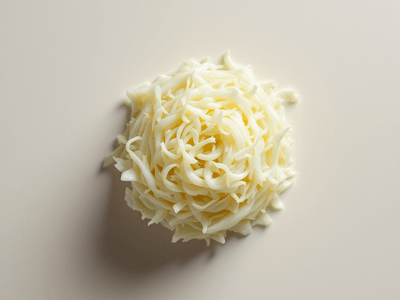
Sauerkraut
Abendessen • Deutschland
Über Sauerkraut
Fermented cabbage — probiotic superfood and German staple
How to Make Sauerkraut (Traditional & Healthy Version)
Sauerkraut is a classic German dish beloved for its tangy flavor and impressive health benefits. With roots dating back over a thousand years, this fermented cabbage has long been a staple in German cuisine, celebrated for its simplicity and longevity. Traditionally served alongside hearty meals, Sauerkraut’s unique sour taste comes from the natural fermentation process, which also enhances its nutritional profile. Whether enjoyed warm or cold, as a side dish or topping, Sauerkraut embodies the rustic essence of German home cooking. In Germany, Sauerkraut is more than just food—it's a symbol of resourcefulness and tradition, especially in regions like Bavaria and Franconia. The dish is often prepared in large batches and stored for winter, making it an essential element of German family life and festive gatherings. Its crisp texture and vibrant flavor make it a versatile addition to dinner tables, while its low-calorie, high-fiber content appeals to modern, health-conscious eaters. This healthy, vegan-friendly recipe lets you enjoy authentic Sauerkraut at home, bringing a taste of German heritage to your kitchen.
Zutaten(für 1 cup Sauerkraut per person)
- 1 medium head (about 1 kg) Green cabbage (Weißkohl)
- 1.5 tablespoons Sea salt (feines Meersalz)
- 1 teaspoon Caraway seeds (Kümmel) - optional
- 5 berries Juniper berries (Wacholderbeeren) - optional
- 1 Bay leaf (Lorbeerblatt) - optional
- 1/2 teaspoon Black peppercorns (Pfefferkörner) - optional
- as needed Filtered water (Gefiltertes Wasser)
Anleitung
- 1
Remove the outer leaves of the cabbage and set aside. Slice the cabbage in half, remove the core, and thinly shred using a sharp knife or mandoline.
5 minutes
The thinner the shreds, the faster and more evenly the cabbage will ferment.
- 2
Place the shredded cabbage in a large mixing bowl. Sprinkle the sea salt over the cabbage.
2 minutes
Use non-iodized sea salt for optimal fermentation.
- 3
Massage the cabbage and salt together with clean hands for 5-10 minutes, until the cabbage softens and releases its juices.
10 minutes
Wear food-safe gloves if you have sensitive skin.
- 4
Mix in caraway seeds, juniper berries, bay leaf, and peppercorns if using. Toss to distribute the spices evenly.
1 minute
Traditional German Sauerkraut often includes caraway for added flavor and digestion support.
Warum dieses Gericht gesund ist
This traditional German Sauerkraut recipe is naturally low in calories and fat, making it perfect for those seeking a healthy side dish or topping. The fermentation process produces probiotics that aid digestion and contribute to balanced gut flora. With no added sugars or unhealthy fats, Sauerkraut supports weight loss, boosts immunity, and provides sustained energy, making it a smart choice for health-conscious eaters.
Sauerkraut is a powerhouse of nutrition, rich in fiber, vitamin C, vitamin K, and beneficial probiotics that support gut health and immunity. Its low calorie and fat content make it ideal for weight management, while the fermentation process enhances bioavailability of essential vitamins and minerals. Naturally vegan and gluten-free, Sauerkraut is also a great source of antioxidants and supports digestive health, making it a nourishing addition to any plant-based diet.
Profi-Tipps
- 💡Tip 1: Use only non-iodized salt for proper fermentation and best flavor.
- 💡Tip 2: If mold appears on the surface, remove it immediately; the Sauerkraut beneath is usually safe if submerged.
- 💡Tip 3: Experiment with adding apples or carrots for a sweeter, more colorful Sauerkraut.
Aufbewahrung und Servieren
Store Sauerkraut in a sealed glass jar in the refrigerator for up to 2 months. Always use a clean utensil to serve and ensure the cabbage remains submerged in brine to maintain freshness.
Am besten geeignet für: Lunch
Nährwerte
| Nährstoff | Pro 100g |
|---|---|
| Energie | 19.0 kcal |
| Protein | 1.0 g |
| Kohlenhydrate | 3.0 g |
| Gesamtfett | 0.0 g |
| Ballaststoffe | 3.0 g |